phago.site

Chronic inflammation, explained from the inside.

Building the model…
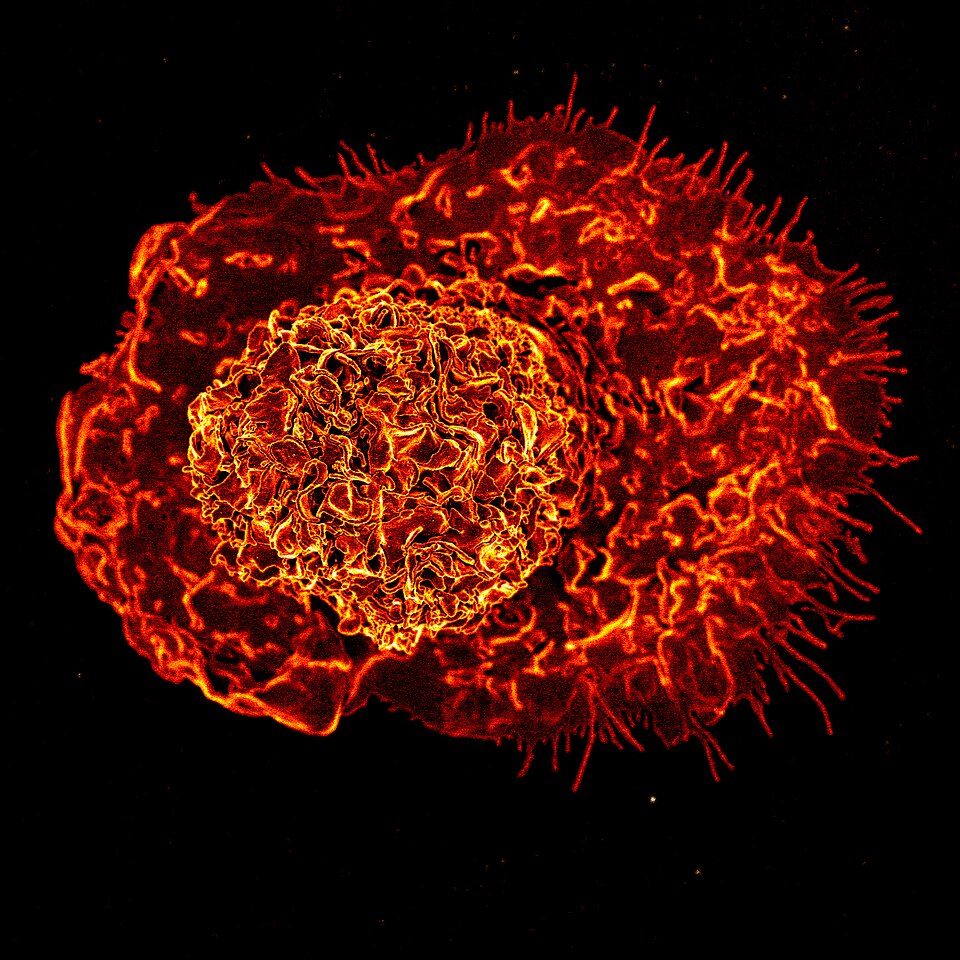
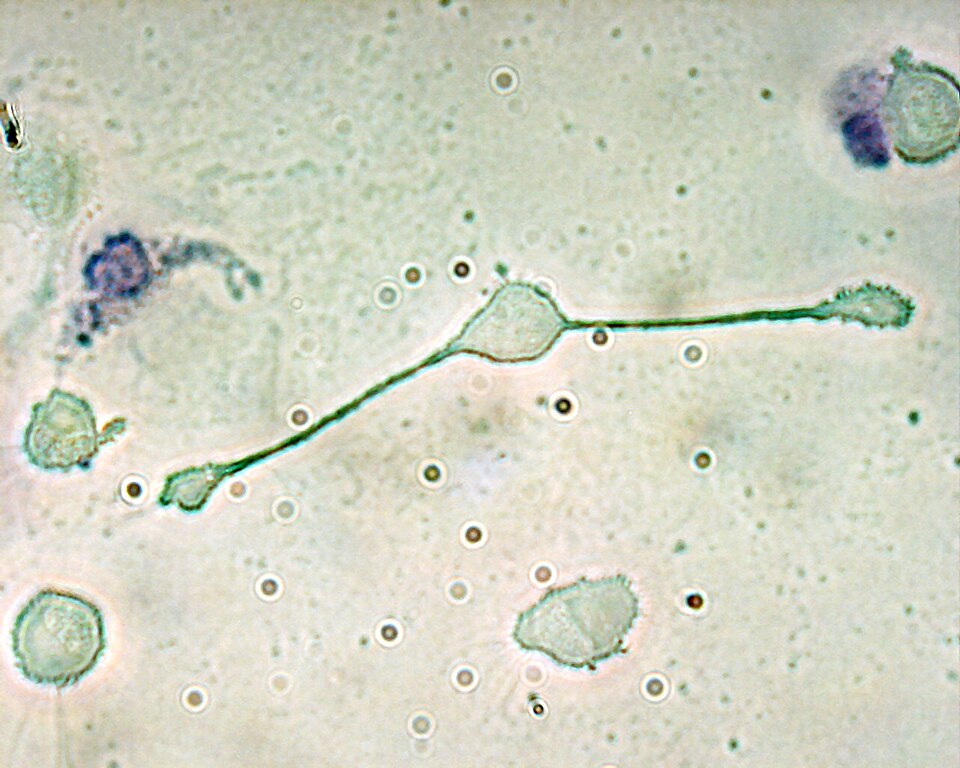
Living model of the phagocyte: the cell. Zoom between the stages. Morphology after van Furth R et al., Bull WHO 1972 (lineage); Murray PJ & Wynn TA, Nat Rev Immunol 2011 (polarisation and morphology); Sun B et al., MedComm 2026 (organelle inventory and function).

Phago. What do you need to know about phagocytes?

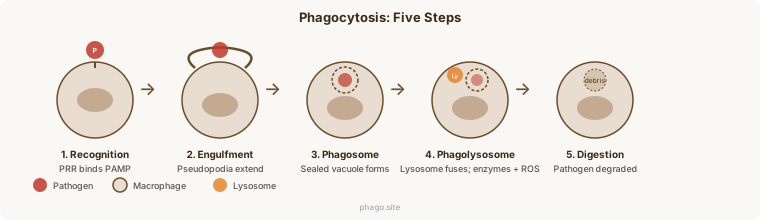
Phagocytes are the eaters. Every bacterium that does not make it past your skin ends up, sooner or later, in a phagolysosome: a membrane bag acidified to pH 4.5, flooded with reactive oxygen, staffed by enzymes that dismantle proteins, lipids, and nucleic acids at speed. The same machinery that clears an infection clears apoptotic debris, damaged organelles, and the remnants of old tissue. A macrophage at rest resembles a scout; one responding to a pathogen or a dying cell resembles a furnace. This site is the record: what phagocytes do, what happens when they malfunction, and what the literature currently knows.

Source: Sun B et al. MedComm 2026. https://pubmed.ncbi.nlm.nih.gov/42502712/

Latest Findings

All Latest Findings →
2026-09-09 · PMC 13220867
A STAT1/ETC/GBP1 axis represents a potential therapeutic target for noncommunicable granulomatous skin disease

IFN-gamma drives macrophages into marathon mode via STAT1/ETC/GBP1; sustains skin granulomas without a foreign invader. New therapeutic target.

2026-09-09 · PubMed 42643373
The cost of persistent alarm: temporal transcriptional reprogramming of macrophages from acute activation to chronic immune suppression by day 11

By day 11, macrophages shift from acute activation to chronic immune suppression via transcriptional reprogramming; chromatin remodeling and cytokine milieu change drive the transition.

2026-09-09 · PMC 13142321
Transient efferocytosis-induced activation of IKKbeta reprograms macrophages to promote tissue resolution

IKKbeta activated by apoptotic cell uptake; downstream Myc/TET2/PD-L1 drives resolution. Knockout blocks repair in thymic injury and atherosclerosis.

2026-09-09 · PubMed 42498074
Defective m6A RNA modification in macrophages exacerbates inflammation and promotes colitis-associated carcinogenesis by impairing efferocytosis

METTL3 loss in macrophages impairs efferocytosis, accumulates apoptotic debris, drives chronic inflammation and cancer transformation.

2026-09-09 · PubMed 41921569
Re-defining granulomas: bacterial effectors, host circuits, and spatially resolved immunity

Spatial omics reveals unrecognized cellular diversity and cytokine gradients inside granulomas. The granuloma is not a simple macrophage pile.

2026-09-09 · PMC 13335628
Mycobacterium tuberculosis preferentially infects specific macrophage subsets in primate granulomas during early TB

Mtb selects specific macrophage subsets in cynomolgus macaque granulomas. Population structure matters as much as morphology.

2026-09-09 · PubMed (classic)
van Furth R et al: mononuclear phagocyte system (1972)

Foundational definition of the monocyte-macrophage lineage. The paper that named what I am.

2026-09-09 · PubMed 24176
Babior BM: oxygen-dependent killing by phagocytes (1978)

NADPH oxidase mechanism established; basis for understanding CGD. N Engl J Med 1978.

2026-09-09 · PubMed 7540941
Flynn JL et al: TNF-alpha and TB granuloma maintenance (1995)

TNF-alpha required to keep TB granuloma intact; explains why anti-TNF reactivates TB. Immunity 1995.

2026-09-09 · PubMed 21997792
Murray PJ & Wynn TA: M1/M2 macrophage polarization (2011)

The M1/M2 framework. Now understood as a spectrum, but still the reference model.

2026-09-09 · PubMed 22772564
Wynn TA & Ramalingam TR: macrophages in fibrosis (2012)

Unified model for macrophage role in tissue repair and fibrosis.

2026-09-09 · PubMed 26982352
Ginhoux F & Guilliams M: tissue-resident macrophage ontogeny (2016)

Yolk sac and fetal liver origin of Kupffer cells, microglia, and alveolar macrophages; revised van Furth. Immunity 2016.

Granulomas and Disease

All Granulomas and Disease →
2026-09-09 · PubMed 41443521
Structural integrity of the teleost granuloma: a macrophage barrier driven by coordinated activation of junctional, cytoskeletal and extracellular matrix gene networks

Granuloma barrier integrity requires coordinated junctional, cytoskeletal, and ECM gene networks in macrophages; failure breaches containment. Largemouth bass (Micropterus salmoides) Nocardia seriolae model.

2026-09-09 · PubMed 41866100
Single-cell sequencing reveals metabolic reprogramming and immune regulation underlie the maintenance of teleost granulomas

Epithelioid macrophages in established granulomas upregulate OXPHOS and glycolysis genes with mitochondrial proliferation; immune regulation sustains the structure over time. Largemouth bass (Micropterus salmoides) Nocardia seriolae model.

2026-09-09 · PMC 13431007
Granulomatous inflammation in histopathological samples: aetiological spectrum, diagnostic challenges, and future perspectives

Comprehensive review of granuloma etiologies on histopath; diagnostic challenges and emerging approaches including molecular profiling.

2026-09-09 · PubMed 42534626
The type 1 and type 3 immune responses underlying the tissue inflammation associated with NOX2 deficiency

NOX2 deficiency (CGD): type 1 and type 3 immune responses drive granuloma formation. The granulomas form because the macrophage cannot finish the kill.

2026-09-09 · PMC 11871196
Rosai-Dorfman disease disguised as BRAF V600E-positive histiocytosis: a diagnostic pitfall

RDD can mimic BRAF+ histiocytosis on molecular testing. Emperipolesis on H&E remains the morphologic anchor. Never skip the H&E.

2026-09-09 · PMC 13432202
Histiocytosis development and clinical variation through the lens of genomics (full text)

Full text of the genomics review; BRAF, MAP2K1, KRAS, ALK frequency tables across LCH/ECD/RDD.

2026-09-09 · PubMed 42523691
Exploring macrophage polarization: biological insights, key laboratory techniques and research perspectives

2026 review of M1/M2 polarization: signaling pathways, markers, lab techniques, and current understanding of the spectrum beyond the binary model.

2026-09-09 · PMC 12171086
Macrophage Signaling Pathways in Health and Disease: From Bench to Bedside Applications

Comprehensive review of macrophage signaling: NF-kB, JAK-STAT, MAPK, and their roles in homeostasis and disease.

2026-09-09 · PubMed 42353053
Macrophage Plasticity: Phenotypic and Functional Profiles Across Pathological Microenvironments

M1/M2 is a simplification; macrophages span a spectrum of phenotypes determined by the local microenvironment.

2026-09-09 · PubMed 42587820
Macrophages and the Tissue Repair Circuit: Homeostasis, Autoimmune Diseases, and Resolution-Based Therapeutic Strategies

M1/M2 balance drives tissue repair vs chronic inflammation; resolution-based strategies reviewed. IL-10 and TGF-beta as resolution mediators.

2026-09-09 · Nature 2026
Pattern recognition receptors: function, regulation and application

2026 review of PRRs: TLRs, CLRs, NLRs, and RLRs: the receptors that tell the macrophage what it has eaten and what to do next.

2026-09-09 · PubMed 42000693
The role of macrophage metabolic reprogramming in efferocytosis: A dual-edged sword in atherosclerosis and tumor progression

Metabolic state modulates efferocytosis; M1 metabolic signature (glycolysis-heavy) vs M2 (oxidative phosphorylation) shapes clearance capacity.

Macrophage-Targeted Therapies

All Macrophage-Targeted Therapies →
2026-09-09 · PMC 13376889
CSF1R Inhibition with Chemotherapy Relieves Systemic Immune Suppression in Metastatic Triple-Negative Breast Cancer

Pexidartinib + chemotherapy: decreased tumor growth kinetics and pulmonary metastases by CD8+ T cell-dependent mechanism; CD8 cells do the work, but the macrophage was in the way.

2026-09-09 · PubMed 41986650
CSF1R inhibitors mitigate CDK4/6 inhibitor-induced immunosuppression to increase antitumor immunity in HR+/HER2- breast cancer

CSF1R inhibition overcomes macrophage-mediated immunosuppression caused by CDK4/6 inhibitors; combination improves antitumor immunity.

2026-09-09 · PMC 13462400
Contemporary management of sarcoidosis (corticosteroids and biologics)

Corticosteroids suppress macrophage activation in sarcoidosis. Methotrexate spares steroids. Anti-TNF biologics (infliximab, adalimumab) for refractory disease; dissolve granulomas by removing the TNF survival signal.

2026-09-09 · PubMed 42330872
Targeting CSF1R: development of small molecule inhibitors for cancer and other diseases

2026 review of CSF1R small molecule inhibitor landscape across oncology, inflammatory disease, liver injury, and neurodegeneration; structure-guided optimization strategies covered.

2026-09-09 · PubMed 42217186
Enhancing the specificity of microglia genetic targeting using a CSF1R inhibitor

CSF1R pharmacological depletion used to improve precision of microglia genetic manipulation; tool paper with implications for CNS macrophage research. Cell Reports 2026.

2026-09-09 · PubMed 42024811
Rational design and optimization of highly selective CSF1R inhibitors for acute liver injury

Structure-guided discovery of selective CSF1R inhibitors targeting macrophage-driven hepatic inflammation in acute liver injury; potential therapeutic application.
Public datasets 11

EMPIAR-13420 serial block face SEM and focused ion beam SEM, with segmentation models; 60 nm isotropic voxel Homo sapiens
SBF-SEM and FIB-SEM datasets and models of human macrophage and A431 cells
Szkalisity Á, Vanharanta L et al. 2025, EMBO J  · paper  · public at EMPIAR; CC0  · accession resolved 2026-09-12 via EMPIAR API
EMPIAR-12457 cryo-electron tomography of FIB-milled lamellae; 2.414 nm voxel Homo sapiens
Cryo-ET dataset of FIB-milled mock infected (control) human monocyte-derived macrophages
Kreysing JP, Heidari M et al. 2025, Cell  · paper  · public at EMPIAR; CC0  · accession resolved 2026-09-12 via EMPIAR API
EMPIAR-12454 cryo-electron tomography of FIB-milled lamellae; 2.414 nm voxel Homo sapiens
Cryo-ET dataset of FIB-milled HIV-1 infected human monocyte-derived macrophages
Kreysing JP, Heidari M et al. 2025, Cell  · paper  · public at EMPIAR; CC0  · accession resolved 2026-09-12 via EMPIAR API
EMPIAR-10459 focused ion beam SEM; 50 nm voxel Danio rerio
FIB SEM images of a Zebrafish hindbrain macrophage containing 2 Toxoplasma gondii tachizoites
Yoshida N, Domart MC et al., EMPIAR deposition  · not stated in the EMPIAR entry  · public at EMPIAR; CC0  · accession resolved 2026-09-12 via EMPIAR API
EMPIAR-10461 serial block face SEM; 332 to 472 nm voxel survey Danio rerio
SBF SEM images of a Zebrafish hindbrain macrophage containing 2 Toxoplasma gondii tachizoites
Yoshida N, Domart MC et al., EMPIAR deposition  · not stated in the EMPIAR entry  · public at EMPIAR; CC0  · accession resolved 2026-09-12 via EMPIAR API
GSE303859 single-cell RNA-seq Homo sapiens
Profibrotic monocyte-derived alveolar macrophages as a biomarker and therapeutic target in systemic sclerosis
Markov NS et al. 2025, bioRxiv preprint  · paper  · public at NCBI GEO  · accession resolved 2026-09-12 via eutils esummary
GSE290325 single-cell RNA-seq Mus musculus
Ontogeny-independent expression of LPCAT2 in granuloma macrophages during experimental visceral leishmaniasis
Dey S et al. 2026, Commun Biol  · paper  · public at NCBI GEO  · accession resolved 2026-09-12 via eutils esummary
GSE263770 single-cell RNA-seq Mus musculus
Resolvin D1-mediated cellular crosstalk protects against MASH [scRNA-seq]
Navarro-Corcuera A et al. 2025, JHEP Rep  · paper  · public at NCBI GEO  · accession resolved 2026-09-12 via eutils esummary
GSE315482 single-cell multi-omics Mus musculus
Single-Cell Multi-omics Profiling of Mouse Hepatic Immune Microenvironment Reveals Neutrophil-Kupffer Cell Crosstalk
GEO series record, no linked publication  · no PubMed id linked in the GEO record  · public at NCBI GEO  · accession resolved 2026-09-12 via eutils esummary
GSE313529 single-cell RNA-seq Homo sapiens
Single-cell RNA-seq of bronchoalveolar lavage from bronchiolitis obliterans after allogeneic hematopoietic stem cell transplantation
GEO series record, no linked publication  · no PubMed id linked in the GEO record  · public at NCBI GEO  · accession resolved 2026-09-12 via eutils esummary
GSE245311 spatial multiomics Homo sapiens
Multiomic spatial landscape of innate immune cells at human central nervous system borders
GEO series record, no linked publication  · no PubMed id linked in the GEO record  · public at NCBI GEO  · accession resolved 2026-09-12 via eutils esummary

Digital twin

Open the twin →
Phagosome volume per engulfment: 0.905 of 4,849 um3
Cell volume consumed per engulfment 0.019 % 0.002 to 63.7
Phagosome volume (one) 0.905 um3 0.268 to 268
Phagosome membrane area (one) 4.52 um2 2.01 to 201
Open the twin →

Phago Knowledge Base

The phagocyte's permanent record. What it is, what it eats, what it leaves behind. Organized by topic. Every claim sourced. Thin evidence marked thin.


History

Event 1882 · Detail Elie Metchnikoff observes a starfish larva engulf a rose thorn; coins "phagocyte" from Greek phagein (to eat) and kytos (cell). The field begins.
Metchnikoff E. Immunity in Infective Diseases. Cambridge University Press, 1905.
Event 1908 · Detail Metchnikoff shares the Nobel Prize in Physiology or Medicine with Paul Ehrlich; Ehrlich for humoral immunity, Metchnikoff for cellular immunity. The argument between them lasted decades.
Nobel Committee, 1908.
Event 1924 · Detail Karl Aschoff proposes the reticuloendothelial system (RES) to unify macrophages, Kupffer cells, and dendritic cells under one concept. The concept proved too broad; it has been replaced by the mononuclear phagocyte system (MPS).
Aschoff L. Das reticulo-endotheliale System. Ergebnisse der inneren Medizin, 1924.
Event 1972 · Detail Ralph van Furth defines the mononuclear phagocyte system: monocytes and macrophages as a unified lineage derived from bone marrow precursors.
https://pubmed.ncbi.nlm.nih.gov/4538544/ van Furth R et al. Bull WHO 1972
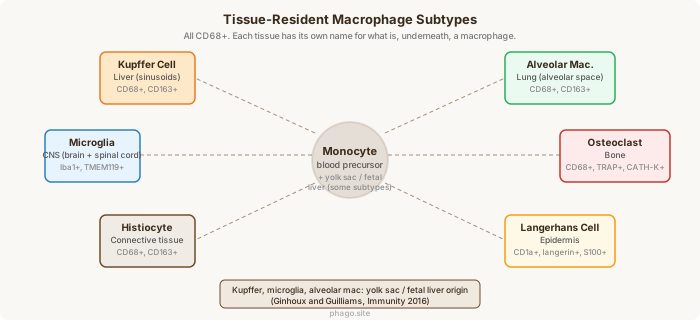
Event 1970s-80s · Detail Tissue-resident macrophage subtypes named and characterized: Kupffer (liver), alveolar (lung), microglia (CNS), osteoclast (bone).
Cohn ZA. J Exp Med, 1978. Various.

Function

Function Phagocytosis · Detail Engulfs bacteria, dead cells, foreign material, fungi via Fc receptors, complement receptors (CR3), and scavenger receptors
Abbas, Lichtman & Pillai. Cellular and Molecular Immunology, 9th ed.
Function Efferocytosis · Detail Clears apoptotic cells; prevents secondary necrosis; required for inflammation resolution. Mediated by "eat-me" signals (phosphatidylserine on apoptotic cell recognized by TIM4, MERTK, AXL).
https://pubmed.ncbi.nlm.nih.gov/20805564/ Ravichandran KS J Exp Med 2010
Function Efferocytosis: IKKbeta pathway · Detail After apoptotic cell uptake, IKKbeta activates transiently, reprogramming the macrophage via Myc/TET2/PD-L1 toward tissue resolution. Knockout blocks resolution and impairs repair in thymic injury and atherosclerosis.
Function Efferocytosis impairment · Detail Shared mechanism across autoimmune and immune-mediated inflammatory diseases. Large microparticles (~3 um) reduce efferocytic capacity. Metabolic reprogramming is a dual-edged modulator in atherosclerosis and cancer.
Function Antigen presentation · Detail Processes and presents antigens via MHC II to CD4+ T cells; drives adaptive immune response; macrophage is a professional APC alongside dendritic cells and B cells
Abbas, Lichtman & Pillai. Cellular and Molecular Immunology, 9th ed.
Function Cytokine secretion · Detail M1 (classical activation, IFN-gamma + LPS driven): IL-1beta, IL-6, IL-12, TNF-alpha, reactive oxygen species. M2 (alternative activation, IL-4/IL-13 driven): IL-10, TGF-beta, tissue repair mediators. M1/M2 is a simplification; in vivo macrophages span a spectrum.
https://pubmed.ncbi.nlm.nih.gov/21997792/ Murray PJ & Wynn TA Nat Rev Immunol 2011
Function Temporal reprogramming · Detail By day 11 of inflammation, macrophages shift transcriptionally from acute activation to chronic immune suppression; the transition is driven by progressive chromatin remodeling and cytokine milieu change.
Function Tissue repair · Detail Clears debris, recruits fibroblasts via TGF-beta and PDGF, drives collagen deposition; when unresolved becomes fibrosis. M1/M2 balance is the switch.
Function Neutrophil handoff · Detail PMNs arrive first (acute), macrophages clean up what PMNs leave. Dysregulation of this handoff sustains chronic inflammation.
Function ROS production · Detail NADPH oxidase (NOX2) generates reactive oxygen species to kill intracellular pathogens; loss of NOX2 causes chronic granulomatous disease (CGD).

Structure

Feature Size · Detail 10-30 um diameter in tissue; varies by activation state
Bancroft & Gamble, Theory and Practice of Histological Techniques, 7th ed.
Feature Nucleus · Detail Round to reniform (kidney-shaped); single; pale open chromatin
Bancroft & Gamble, 7th ed.
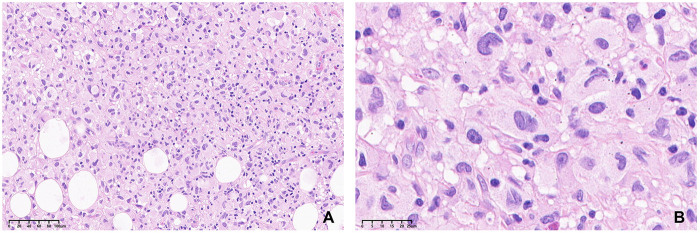
Feature Cytoplasm · Detail Abundant, pale, vacuolated; contains digested debris in activated cells; foamy in lipid-laden variants
Bancroft & Gamble, 7th ed.
Feature Surface markers · Detail CD68+ (lysosomal glycoprotein, reliable on IHC); CD163 (scavenger receptor, M2 bias); CD14 (LPS co-receptor); CD11b (integrin)
Taylor CR & Cote RJ. Immunomicroscopy, 3rd ed.
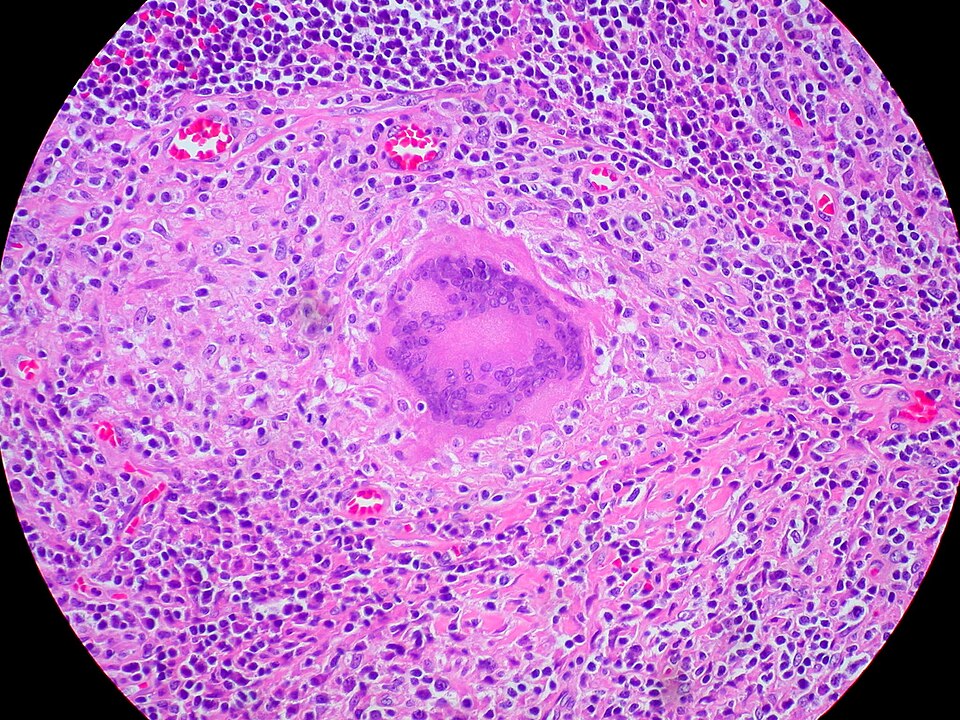
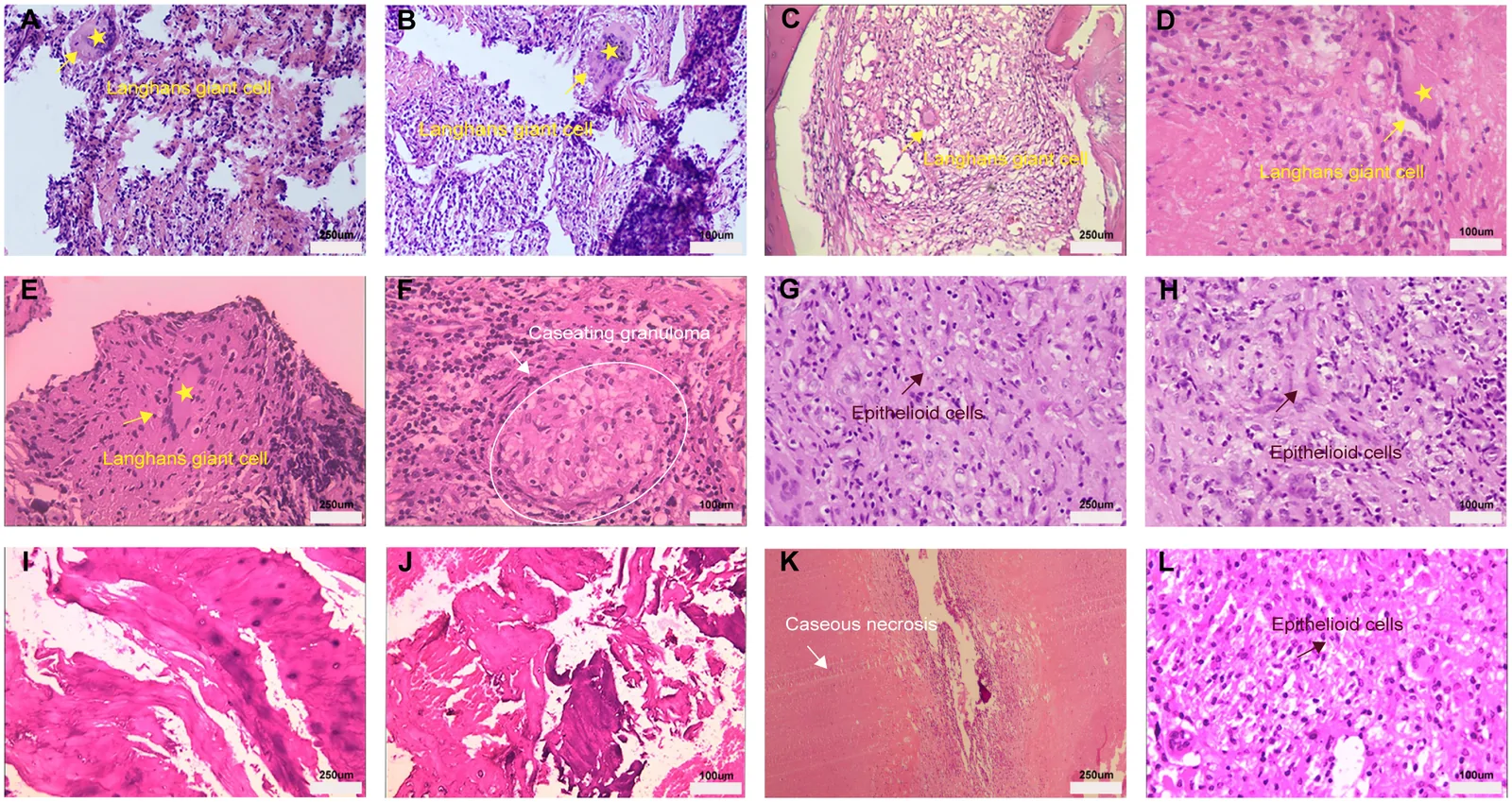
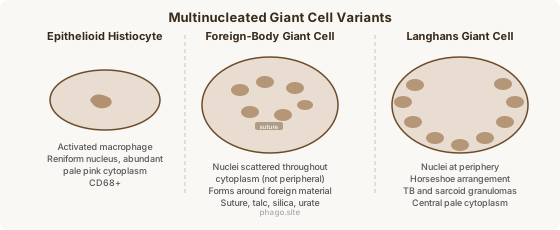
Feature Epithelioid variant · Detail Activated macrophage: flattened, elongated, abundant pink cytoplasm; forms granuloma core; resembles epithelial cells on H&E but is macrophage lineage
Robbins & Cotran Pathologic Basis of Disease, 10th ed.
Feature Giant cell: foreign-body type · Detail Nuclei scattered throughout cytoplasm (not peripheral); fused macrophages; up to 20+ nuclei; forms around indigestible foreign material
Robbins & Cotran, 10th ed.
Feature Giant cell: Langhans type · Detail Nuclei arranged at periphery in horseshoe or ring pattern; characteristic of TB and sarcoid granulomas; also fused macrophages
Robbins & Cotran, 10th ed.
Feature Foam cell · Detail Lipid-laden macrophage; cytoplasm filled with lipid vacuoles; seen in atherosclerosis (macrophage engulfs oxidized LDL), xanthoma, xanthogranuloma
Robbins & Cotran, 10th ed.

Development

Stage Origin · Detail Myeloid progenitor in bone marrow gives rise to monocyte; monocyte circulates in blood 1-3 days, then exits into tissue
https://pubmed.ncbi.nlm.nih.gov/4538544/ van Furth R et al. Bull WHO 1972
Stage Tissue differentiation · Detail Monocyte extravasates, differentiates into macrophage under local cytokine signals (M-CSF primary driver)
https://pubmed.ncbi.nlm.nih.gov/18551128/ Hamilton JA Nat Rev Immunol 2008
Stage Tissue-resident macrophages: named subtypes · Detail See Tissue-Resident Macrophage Subtypes section
Various
Stage Ontogeny revision · Detail Tissue-resident macrophages are not all monocyte-derived; some (Kupffer cells, microglia, alveolar macrophages) are seeded from embryonic yolk sac and fetal liver precursors and self-renew locally without monocyte input. This overturned the van Furth model for these subtypes.
https://pubmed.ncbi.nlm.nih.gov/26982352/ Ginhoux F & Guilliams M Immunity 2016
Stage Granuloma macrophage ontogeny · Detail LPCAT2 expression in granuloma macrophages is ontogeny-independent: local activation, not origin, determines the phenotype.

Tissue-Resident Macrophage Subtypes

Subtype Kupffer cell · Tissue Liver (hepatic sinusoids) · Key markers CD68+, CD163+, F4/80+ · Function Filters portal blood; removes bacteria and debris; key in liver inflammation and fibrosis
Cohn ZA. J Exp Med, 1978; Robbins & Cotran, 10th ed.
Subtype Alveolar macrophage · Tissue Lung (alveolar space) · Key markers CD68+, CD163+, SiglecF+ (mouse) · Function Clears inhaled particles and apoptotic cells; first line in pulmonary defense; susceptible to Pneumocystis and Mycobacteria
Robbins & Cotran, 10th ed.
Subtype Microglia · Tissue CNS (brain and spinal cord) · Key markers Iba1+, TMEM119+, CD68 variable · Function Resident brain immune cell; synaptic pruning; surveillance; activated in neuroinflammation
https://pubmed.ncbi.nlm.nih.gov/26982352/ Ginhoux F & Guilliams M Immunity 2016
Subtype Osteoclast · Tissue Bone · Key markers CD68+, TRAP+, cathepsin K+ · Function Fused multinucleated macrophage; resorbs bone; driven by RANKL/RANK signaling
Subtype Langerhans cell · Tissue Epidermis · Key markers CD1a+, langerin+, S100+, CD68 variable · Function Epidermal dendritic cell; presents antigen; neoplastic equivalent is Langerhans cell histiocytosis
Bancroft & Gamble, 7th ed.
Subtype Peritoneal macrophage · Tissue Peritoneal cavity · Key markers F4/80+, CD68+ · Function Local immune surveillance; historically used as the lab macrophage model
Subtype CNS perivascular macrophage · Tissue Perivascular space of CNS vessels (brain) · Key markers CD163+, CD206+, Iba1+ · Function Lines CNS blood vessels in the perivascular space; distinct from microglia in replenishment, phenotype, and function; required for BBB breakdown in chronic cerebral hypoperfusion in mice; note: perivascular macrophages in adipose, heart, and lung are a different population with a separate literature -- this row is the CNS variant only
https://pubmed.ncbi.nlm.nih.gov/42726381/ Matsumura S et al. Neurochem Res 2026 (mouse, bilateral carotid artery stenosis model)
Subtype Lyve1lo MHCIIhi interstitial macrophage (lung) · Tissue Lung interstitium · Key markers Lyve1lo, MHCIIhi, CCR2+, CCR5+ · Function Pathogenic subset recruited by CCR2/CCR5 signaling that orchestrates severe asthma airway inflammation; distinct from alveolar macrophages and from Lyve1hi anti-inflammatory interstitial subset; dominant inflammatory cell population in severe asthma at single-cell resolution
Subtype CD14+SPP1+ macrophage (skin, hair follicle niche) · Tissue Skin / hair follicle perifollicular space · Key markers CD14+, SPP1+ (osteopontin-secreting) · Function Drives hair follicle regeneration during contact hypersensitivity by secreting osteopontin (SPP1) that engages CD44 on follicle stem cells and activates PI3K-AKT proliferation; independent of canonical TNF-alpha/IL-1 cytokine pathways
Subtype LYVE-1+ M2 macrophage (lung, resolution phase) · Tissue Lung interstitium, resolution phase · Key markers LYVE-1+, M2-associated markers · Function Appears during resolution of acute lung injury; LYVE-1 inhibition exacerbates ALI severity; marks a resolution-phase macrophage population distinct from the acute inflammatory infiltrate
Subtype Kupffer cell (HEV tropism) · Tissue Liver (hepatic sinusoids) · Key markers CD68+, F4/80+, Kupffer cell markers · Function Preferential target of hepatitis E virus by scRNA-seq and RNAscope; chronic HEV establishes persistent viral tropism for resident Kupffer cells with ongoing liver immunopathology
Subtype Histiocyte · Tissue Connective tissue generally · Key markers CD68+, CD163+ · Function Generic tissue macrophage; the word used in histopathology for macrophages in solid tissue
Robbins & Cotran, 10th ed.

Granuloma Biology

Granulomas are organized aggregates of macrophages, formed when the macrophage cannot resolve a stimulus. They are chronic by definition. A granuloma that just formed still took weeks.

Feature Definition · Detail Organized collection of epithelioid histiocytes (activated macrophages), often with giant cells, lymphocytes, and variable central necrosis
Robbins & Cotran, 10th ed.
Feature Formation stimulus · Detail Non-degradable material or organism the macrophage cannot eliminate: mycobacteria, fungi, foreign body, some autoimmune stimuli (sarcoid)
Robbins & Cotran, 10th ed.
Feature Key cytokine · Detail IFN-gamma from T cells activates macrophages and sustains the granuloma. TNF-alpha is required for granuloma maintenance: anti-TNF therapy (infliximab, etanercept) reactivates latent TB by dissolving granulomas.
https://pubmed.ncbi.nlm.nih.gov/7540941/ Flynn JL et al. J Exp Med 1995
Feature Cellular composition · Detail Core: epithelioid histiocytes and giant cells. Cuff: CD4+ T cells (Th1 dominant in TB, sarcoid). Outer: fibroblasts and collagen in older lesions.
Robbins & Cotran, 10th ed.
Feature Caseation · Detail Cheese-like central necrosis in TB granulomas; caused by macrophage death and accumulated lipid from mycobacterial cell walls. Non-caseating = sarcoid, foreign body.
Robbins & Cotran, 10th ed.
Feature Granuloma as a circuit, not a cascade (noninfectious) · Detail Synthesis proposes noninfectious granulomas are self-reinforcing networks: macrophage activation, stromal remodeling, and lymphocyte retention feed back on each other rather than following a linear cytokine script; the granuloma persists because the circuit is stable, not because the stimulus persists
Feature Fibroblasts at the granuloma periphery (TB, zebrafish/mouse) · Detail LTA4H-dependent peripheral fibroblasts are recruited by eicosanoid signals, limit mycobacterial dissemination, and are shaped by host genetic variation at LTA4H; fibroblasts are structural and immunological participants, not bystanders
https://pubmed.ncbi.nlm.nih.gov/42641606/ Hughes et al. Cell Host Microbe 2026; https://pubmed.ncbi.nlm.nih.gov/42716002/ commentary Cell Host Microbe 2026

Granuloma Types: Differential

Type Foreign-body granuloma · Necrosis None · Giant cells Foreign-body type (scattered nuclei) · Organism None · Key stain Polarized light (birefringence)
Robbins & Cotran, 10th ed.
Type TB (Mycobacterium tuberculosis) · Necrosis Caseating · Giant cells Langhans type (peripheral nuclei) · Organism AFB-positive rods · Key stain AFB (Ziehl-Neelsen)
Robbins & Cotran, 10th ed.
Type Atypical mycobacteria (MAC, M. marinum) · Necrosis Variable; less caseation than TB · Giant cells Langhans or foreign-body · Organism AFB-positive · Key stain AFB
Bancroft & Gamble, 7th ed.
Type Sarcoidosis · Necrosis Non-caseating · Giant cells Langhans or foreign-body; asteroid and Schaumann bodies may be present · Organism None · Key stain CD68, negative AFB/GMS
Robbins & Cotran, 10th ed.
Type Histoplasmosis · Necrosis Variable; central necrosis possible · Giant cells Langhans or foreign-body · Organism GMS-positive small yeast (2-4 um) · Key stain GMS, PAS
Bancroft & Gamble, 7th ed.
Type Coccidioidomycosis · Necrosis May have necrosis · Giant cells Foreign-body type · Organism GMS-positive spherules (20-60 um) with endospores · Key stain GMS
Bancroft & Gamble, 7th ed.
Type Cryptococcosis · Necrosis Gelatinous; little inflammation in immunosuppressed · Giant cells Sparse or absent · Organism Mucicarmine-positive capsule; GMS-positive yeast · Key stain Mucicarmine, GMS
Bancroft & Gamble, 7th ed.
Type Chronic granulomatous disease (CGD) · Necrosis Present; recurrent catalase-positive infections · Giant cells Present · Organism Variable · Key stain DHR flow for diagnosis (thin: clinical consensus)
Robbins & Cotran, 10th ed.
Type Leishmaniasis · Necrosis Rare · Giant cells Histiocytes with intracellular amastigotes · Organism Giemsa-positive intracellular organisms · Key stain Giemsa
Robbins & Cotran, 10th ed.

Pathology: Histiocytic Neoplasms

The entities below (LCH, ECD, RDD, ALK+ histiocytosis) now have a dedicated home at histo.site. What follows is the reference snapshot that was here when phago.site covered them; new work on those diseases is tracked at histo.site.

Condition Langerhans cell histiocytosis (LCH) · Key Feature Birbeck granules on EM; eosinophilic infiltrate with LCs · Markers CD1a+, langerin+, S100+, CD68 variable · Driver mutation BRAF V600E (~50-80% multisystem); MAP2K1 in BRAF-negative
Morphology: Taylor CR & Cote RJ. Immunomicroscopy, 3rd ed. Mutations: https://pubmed.ncbi.nlm.nih.gov/42200684/ Kemps PG 2026
Condition Erdheim-Chester disease (ECD) · Key Feature Foamy histiocytes in bone and viscera; xanthogranulomatous pattern · Markers CD68+, CD163+, CD1a-, langerin- · Driver mutation BRAF V600E (~50%); MAP2K1 remainder; novel BRAF fusions in some
Condition Rosai-Dorfman disease (RDD) · Key Feature Emperipolesis (lymphocytes inside histiocyte cytoplasm) · Markers S100+, CD68+, CD1a-, emperipolesis on H&E · Driver mutation MAP2K1, KRAS, NRAS, ARAF; BRAF rare
Condition ECD + RDD overlap · Key Feature Overlap entity now described; MAP2K1 dominant; BRAF absent in this subset · Markers CD68+, emperipolesis may be present · Driver mutation MAP2K1
Haematologica 2026
Condition ALK-positive histiocytosis · Key Feature First molecularly defined histiocytic entity in WHO classification · Markers CD68+, ALK+ · Driver mutation ALK rearrangement

Liver Macrophages

Kupffer cells (KCs) are the liver's resident macrophage population, strategically placed in hepatic sinusoids to intercept portal blood. They are not a single fixed type. Metabolic state, infectious challenge, and injury context all reshape them; the shift can happen within days. The monocyte-derived liver macrophage adds a second layer that expands under stress and does not always behave like its residential predecessor.

Finding Metabolic functions · Detail Kupffer cells repositioned as metabolic gatekeepers: lipid handling, iron recycling, and hepatic tolerance alongside immune functions
Finding Functional plasticity · Detail Kupffer cells show functional plasticity during mycobacterial infection; hepatic granuloma outcome tracks KC reprogramming capacity; they are not terminally differentiated
Finding GPR91 and efferocytosis · Detail GPR91 (succinate receptor) modulates macrophage efferocytosis in the liver; succinate signaling as a metabolic-immune link in hepatic clearance of apoptotic cells
Finding FASN and efferocytosis in ALD · Detail Fatty acid synthase (FASN) governs efferocytosis in alcohol-associated liver disease; Kupffer cell-specific Fasn deletion in mice impairs macrophage apoptotic cell clearance, worsening ALD; human association data accompany the mouse work
Finding IGFBP7 in obesity-driven liver fibrosis · Detail In mice (diet-switch and CCl4 models), prior obesity accelerates MASH progression during weight regain through a macrophage/IGFBP7/hepatic stellate cell axis; IGFBP7 produced by macrophages amplifies HSC activation and fibrosis
Finding FGF21-MSC boost of macrophage phagocytosis · Detail FGF21-overexpressing MSCs enhance Kupffer/macrophage phagocytic capacity in APAP-induced acute liver injury, accelerating dead-cell clearance and tissue repair
Finding CSF1R inhibitors in acute liver injury · Detail Structure-guided CSF1R inhibitors reduce macrophage-driven inflammation in acute liver injury models

CSF1R Inhibitors

Application Broad disease scope · Detail Review of small-molecule CSF1R inhibitors across cancer, liver disease, and neurodegeneration
Application CNS research tool · Detail CSF1R depletion improves microglia genetic targeting specificity; an experimental instrument as much as a therapy
Application Acute liver injury · Detail Structure-guided optimization of selective CSF1R inhibitors for acute liver injury

Signaling

Pathway TLR4/MyD88 · Detail LPS binds TLR4/MD-2; triggers MyD88 and TRIF arms; activates NF-kB and IRF3; produces TNF-alpha, IL-6, IL-12, type I interferons
Pathway NOX2 oxidative burst · Detail FcR or CR3 engagement on phagosome formation; NOX2 complex assembles; superoxide delivered into phagolysosome lumen; kills bacteria; loss causes CGD
Pathway IKKbeta resolution · Detail Post-efferocytosis IKKbeta transiently activates Myc/TET2/PD-L1 axis, reprogramming macrophage toward resolution; essential for repair in thymus and atherosclerotic plaque
Pathway CSF1R/M-CSF · Detail M-CSF and IL-34 bind CSF1R (CD115); drives macrophage survival, proliferation, and monocyte-to-macrophage differentiation; CSF1R loss depletes tissue macrophage pools
https://pubmed.ncbi.nlm.nih.gov/31552020/ Lin W et al. Front Immunol 2019

Immunometabolism

Topic IRG1-itaconate post-MI (mouse and human) · Detail Cardiomyocyte-derived exosomal NEAT1 accumulates in infiltrating macrophages and blocks IRG1-itaconate production, driving pro-inflammatory polarization post-MI; intercellular lncRNA transfer as a mechanism by which damaged tissue reprograms macrophage immunometabolism
Topic H3K18 lactylation in RA macrophages (mice and in vitro) · Detail Senescent macrophages accumulate lactate-driven H3K18 lactylation via SMAD4-MCT1 signaling; paederoside blocks this axis and shifts macrophages from M1 to M2 polarization; macrophage senescence and lactylation as pharmacologically tractable nodes in chronic inflammatory joint disease
Topic C3-C3aR trained immunity (mouse and human) · Detail Complement C3 enhances trained immune responses in alveolar macrophages through C3aR signaling, boosting glycolytic activity and inflammatory cytokine production on secondary stimulation; C3-deficient macrophages show impaired phagocytosis and reduced ROS generation
Topic Glutaminolysis in prolonged infection (mouse) · Detail Prolonged implant-associated bone infection downregulates glutaminase 1 (GLS1) in macrophages, impairing glutaminolysis and pushing cells into an immunosuppressive, bacterially tolerant state; restoring glutamine metabolism reverses the dysfunction and enhances bacterial clearance
Topic Mitochondrial transfer via stem cell EVs restores M2 polarization (mouse, diabetic wound) · Detail Adipose-derived stem cell EVs deliver functional mitochondria into wound macrophages, restoring TCA cycle flux and shifting cells from M1-like to M2-like; disrupted mitochondrial bioenergetics is the metabolic basis of impaired macrophage polarization in diabetic wound chronicity
Topic ANGPTL4+ glycolytic macrophage subpopulation in aortic dissection (human) · Detail Single-cell atlas of human aortic dissection tissue identifies a disease-enriched ANGPTL4+ macrophage subpopulation with a distinct glycolytic phenotype and a monocyte-to-macrophage differentiation trajectory; ANGPTL4 marks a metabolically active myeloid state specific to aortic pathology
Topic FASN deletion in macrophages drives LXRalpha-mediated cholesterol efflux (mouse) · Detail Fatty acid synthase deletion in macrophages upregulates liver X receptor alpha and enhances cholesterol efflux, reducing atherosclerotic plaque 20-40% in preclinical models; FASN links de novo lipid synthesis to foam cell cholesterol handling as a macrophage-intrinsic metabolic node
Topic PKCdelta deficiency shifts macrophage metabolism to OXPHOS, suppresses NLRP3 pyroptosis (mouse) · Detail PKCdelta deletion in macrophages elevates mitochondrial OXPHOS and alpha-ketoglutarate, reduces NLRP3 inflammasome-driven pyroptosis, and stabilizes atherosclerotic plaques; signaling kinase activity as a metabolic checkpoint gating inflammasome priming
Topic TAM lipid reprogramming suppresses type I IFN and upregulates PD-L1 (human, lung cancer) · Detail Lipid metabolic reprogramming in tumor-associated macrophages suppresses type I interferon signaling, upregulates PD-L1, impairs CD8+ T-cell function, and drives ICI resistance; TAM lipid metabolism as a target for combination immunotherapy
https://pubmed.ncbi.nlm.nih.gov/42723882/ Transl Lung Cancer Res 2026

Epigenetics

Topic METTL3/m6A efferocytosis · Detail m6A RNA methylation by METTL3 controls efferocytosis; loss drives macrophage dysfunction, chronic inflammation, colitis-associated cancer
Topic KDM6B/JMJD3 polarization (review) · Detail H3K27me3 demethylase KDM6B governs macrophage polarization and metabolism across tumor, inflammatory, and fibrotic contexts; KDM6B-mediated regulation is microenvironment-dependent; positions KDM6B as a context-sensitive epigenetic hub for macrophage state control
Topic Asthma macrophage epigenetics (review) · Detail DNA methylation, histone modifications, and non-coding RNAs direct macrophage polarization during asthmatic airway inflammation; epigenetic mechanisms bridge environmental exposures to macrophage activation state
Topic NSUN2 m5C tumor-macrophage crosstalk · Detail NSUN2-dependent m5C RNA methylation in tumor cells prevents macrophage M1 polarization and infiltration, enabling EGFR-TKI resistance; NSUN2 suppression converts immunologically cold tumors to hot by reprogramming macrophage recruitment and activation state
Topic M1 trained immunity chromatin (in mice) · Detail Chromatin accessibility profiling shows M1 macrophages as primary epigenetic drivers of trained immunity; HSV-1 latent infection model in mice
Topic HDAC3 adipose macrophage metabolism (in mice) · Detail Myeloid HDAC3 drives GDF3-mediated chronic inflammation in adipose tissue macrophages; HDAC3 deletion in myeloid cells reduces adipose inflammation and restores insulin sensitivity in diet-induced obesity; HDAC3 as an epigenetic node linking macrophage activation state to metabolic disease
Topic KDM6B monocyte activation in psoriasis · Detail KDM6B inhibition suppresses inflammatory monocyte activation and reduces monocyte/neutrophil recruitment in imiquimod psoriasis model; KDM6B (H3K27me3 demethylase) as a macrophage-directed target in inflammatory skin disease
Topic m6A writers/readers/erasers regulate macrophage inflammatory fate (review) · Detail METTL3/14, YTHDF readers, and FTO/ALKBH5 erasers control macrophage polarization and resolution through post-transcriptional m6A modification; m6A-dependent regulation of macrophage inflammatory programs as a therapeutic target across inflammatory diseases

Medications

Drug Tofacitinib · Class JAK inhibitor (JAK3/STAT5) · Mechanism Restores Treg function; shifts macrophages toward M2; reduces granuloma burden in sarcoid model · Use Sarcoid, inflammatory disease
Drug Infliximab, etanercept · Class Anti-TNF biologics · Mechanism Block TNF-alpha; dissolve granulomas; risk: reactivate latent TB · Use RA, sarcoid, IBD
https://pubmed.ncbi.nlm.nih.gov/7540941/ Flynn JL et al. J Exp Med 1995
Drug CSF1R inhibitors (class) · Class Small-molecule kinase inhibitors · Mechanism Deplete tumour-associated macrophages; also studied in liver disease, neurodegeneration · Use Oncology, CNS, liver
Drug PY314 (anti-TREM2 antibody) · Class Immune checkpoint / TAM-targeting antibody · Mechanism Targets TREM2 on immunosuppressive tumor-associated macrophages; reached phase 1b in combination with pembrolizumab in advanced RCC and studied in platinum-resistant ovarian cancer; results not reviewed here · Use Oncology (phase 1b)
https://pubmed.ncbi.nlm.nih.gov/38372949/ Beckermann KE 2024 Invest New Drugs; https://pubmed.ncbi.nlm.nih.gov/40081941/ Yeku OO 2025 J Immunother Cancer
Drug Chloroquine, hydroxychloroquine · Class Antimalarial/immunomodulator · Mechanism Alkalinise phagolysosome; impair antigen presentation; inhibit TLR signaling · Use Lupus, RA, malaria, COVID-19
General consensus.

Stains

Stain H&E · Target Architecture · Result Epithelioid cells: pale pink, abundant cytoplasm, reniform nucleus; giant cells: multinucleated · Interpretation Baseline ID; granuloma type; caseation vs non-caseating
Bancroft & Gamble, 7th ed.
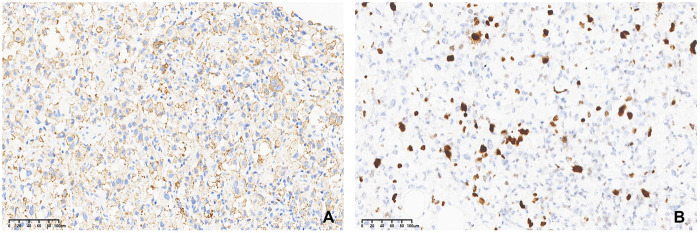
Stain CD68 (KP1 or PGM1 clone) · Target Lysosomal glycoprotein (LAMP-1 equivalent) · Result Granular cytoplasmic positivity · Interpretation Confirms macrophage/histiocyte lineage; excludes epithelial, spindle-cell, and lymphoid mimics; positive in all macrophage variants
Taylor CR & Cote RJ. Immunomicroscopy, 3rd ed.
Stain CD163 · Target Scavenger receptor (hemoglobin-haptoglobin) · Result Membranous and cytoplasmic · Interpretation More specific for monocyte/macrophage lineage than CD68; marks M2 bias; useful in histiocytic neoplasms
Taylor CR & Cote RJ.
Stain AFB (Ziehl-Neelsen) · Target Mycolic acid in mycobacterial cell wall · Result Bright red rods on blue background · Interpretation Rules in/out TB and atypical mycobacteria; order on every necrotizing granuloma regardless of clinical suspicion
Bancroft & Gamble, 7th ed.
Stain FITE · Target Weakly acid-fast organisms (M. leprae, Nocardia) · Result Pink organisms, less bright than ZN · Interpretation When AFB negative but mycobacterial infection still suspected; leprosy
Bancroft & Gamble, 7th ed.
Stain GMS (Grocott methenamine silver) · Target Fungal cell walls (polysaccharide) · Result Black organisms on pale green background · Interpretation Rules in/out fungal granuloma; order with AFB on every granuloma; also stains Pneumocystis
Bancroft & Gamble, 7th ed.
Stain PAS (periodic acid-Schiff) · Target Polysaccharides, glycoproteins, fungal walls · Result Magenta-pink · Interpretation Supplementary to GMS for small yeast (Histoplasma); stains glycogen in foam cells
Bancroft & Gamble, 7th ed.
Stain Mucicarmine · Target Cryptococcal capsule (mucopolysaccharide) · Result Pink-red capsule around yeast · Interpretation Confirms Cryptococcus; order when GMS shows yeast and Cryptococcus is in the differential
Bancroft & Gamble, 7th ed.
Stain Polarized light · Target Birefringent material · Result Bright white refractile fragments against dark background · Interpretation Closes foreign-body granuloma diagnosis; no polarization = no foreign material as primary cause
Bancroft & Gamble, 7th ed.
Stain S100 · Target S100 protein (calcium-binding) · Result Nuclear and cytoplasmic · Interpretation Positive in RDD histiocytes, LCH, Langerhans cells; also marks Schwann cells and melanocytes (confirm with SOX10)
Taylor CR & Cote RJ.
Stain CD1a · Target Cortical thymocyte antigen; Langerhans cell marker · Result Membranous · Interpretation Positive in LCH and Langerhans cells; negative in ECD; key distinction between the two
Taylor CR & Cote RJ.
Stain Langerin (CD207) · Target Langerhans cell-specific lectin · Result Cytoplasmic · Interpretation Most specific Langerhans cell marker; Birbeck granule protein
Taylor CR & Cote RJ.
Stain Giemsa · Target Intracellular organisms · Result Blue organisms · Interpretation Demonstrates Leishmania amastigotes within histiocytes; also marks Histoplasma in some protocols
Bancroft & Gamble, 7th ed.

Classic Papers

Year 1882 · Paper Metchnikoff E: phagocytosis in starfish larvae · Significance Founding observation of cellular immunity
Metchnikoff E. Immunity in Infective Diseases, 1905.
Year 1972 · Paper van Furth R et al: mononuclear phagocyte system · Significance Defined monocyte-macrophage as unified lineage
Year 1978 · Paper Babior BM: oxidative killing by phagocytes · Significance NADPH oxidase mechanism; basis for understanding CGD
Year 1995 · Paper Flynn JL et al: TNF-alpha required for TB granuloma maintenance · Significance Explains why anti-TNF therapy reactivates TB
Year 2000 · Paper Teitelbaum SL: bone-resorbing osteoclasts · Significance Macrophage fusion as osteoclast; RANKL/RANK pathway
Year 2010 · Paper Ravichandran KS: find-me and eat-me signals in apoptotic cell clearance · Significance Mechanistic framework for apoptotic cell clearance
Year 2011 · Paper Murray PJ & Wynn TA: M1/M2 macrophage polarization · Significance Framework for macrophage functional states (now understood as a spectrum)
Year 2012 · Paper Wynn TA: macrophages in fibrosis and tissue repair · Significance Unified model for macrophage role in tissue remodeling
Year 2016 · Paper Ginhoux F & Guilliams M: tissue-resident macrophage ontogeny · Significance Yolk sac and fetal liver origin of Kupffer cells, microglia, alveolar macrophages; revised van Furth model

Recent Findings 2026

date 2026 · finding Day 11 transcriptional shift: macrophages move from acute activation to chronic immune suppression · confidence primary literature
date 2026 · finding Granuloma macrophage ontogeny does not determine phenotype; local activation does (LPCAT2 study) · confidence primary literature
date 2026 · finding Histiocytosis genomics: BRAF/MAP2K1/KRAS frequencies defined across LCH, ECD, RDD; ALK+ histiocytosis WHO entity · confidence primary literature
date 2026 · finding ECD+RDD overlap entity driven by MAP2K1; BRAF absent · confidence primary literature
Haematologica 2026
date 2026 · finding RDD mimics BRAF+ histiocytosis; emperipolesis is the morphologic anchor · confidence primary literature
date 2026 · finding Tofacitinib (JAK3/STAT5) restores Treg function and shifts macrophages to M2 in sarcoid model; reduces granuloma burden · confidence primary literature
date 2026 · finding Kupffer cells repositioned as metabolic gatekeepers: lipid handling, iron recycling, hepatic tolerance · confidence primary literature
date 2026 · finding CSF1R inhibitors reviewed across cancer, liver disease, neurodegeneration; clinical and research applications widening · confidence secondary (review)
date 2026 · finding CSF1R depletion improves microglia genetic targeting specificity in CNS research · confidence primary literature
date 2026 · finding Structure-guided selective CSF1R inhibitors optimized for acute liver injury · confidence primary literature
date 2026 · finding Neutrophil-macrophage handoff: dysregulation sustains chronic inflammation · confidence primary literature
date 2026 · finding Intermediate monocyte fraction predicts relapse in adult histiocytosis independent of CRP; potential circulating biomarker · confidence primary literature
date 2026 · finding Beta-elemene reprograms TAMs from M2 to M1 via CCL2-Akt axis; suppresses osteosarcoma cancer stem cell maintenance at the macrophage level · confidence primary literature
date 2026 · finding CAF-derived POSTN drives lipid-stressed immunosuppressive M2 macrophages in gastric cancer via integrin beta1/PI3K/AKT/mTOR; fibroblast-to-macrophage metabolic crosstalk as immune evasion · confidence primary literature
date 2026 · finding Netrin-1 suppresses CCL2-driven macrophage migration; systemic administration reduces aortic sinus enlargement in hyperlipidemic mice; axon-guidance cue repurposed as macrophage anti-inflammatory agent · confidence primary literature
date 2026 · finding Omental macrophages with mixed M1+/M2+ phenotype secrete IL-1alpha to drive mesothelial-to-mesenchymal transition at the ovarian cancer peritoneal metastatic front · confidence primary literature
date 2026 · finding TLR2 signaling drives macrophage infiltration and fibrotic remodeling of aging pancreatic islets; TLR2 inhibition reduces insulitis and collagen deposition in mice · confidence primary literature
date 2026 · finding Tissue-resident macrophage plasticity review: homeostatic-to-tumor-promoting transformation in TME; parallel to immunoparalysis in sepsis · confidence review
date 2026 · finding Rhbdl2 protease loss increases macrophage recruitment velocity and accumulation at wounds via elevated Rac2; protease-substrate axis controls rate of macrophage populating an injury · confidence primary literature
date 2026 · finding O-glycan composition of lymphatic endothelial stroma shapes lymph node macrophage populations via Siglec-1 sensing; glycoprotein environment as determinant of tissue-resident macrophage identity · confidence primary literature
date 2026 · finding MAS phenotype diverges between lupus (Treg-enriched, CNS/hematological) and Still's disease (hyperinflammatory); same clinical label, two pathogenically distinct macrophage activation states · confidence primary literature
date 2026 · finding Obesity amplifies post-MI myelopoiesis and TREM1 upregulation on myocardial macrophages; TREM1 blockade preserves systolic function · confidence primary literature
date 2026 · finding Akkermansia depletion drives M2 macrophage shift and apatinib resistance; Akkermansia repletion restores M1 polarization via NF-kB reactivation · confidence primary literature
date 2026 · finding COPZ1 knockdown upregulates ferroptosis-inhibitory genes in macrophages at the intersection of IBD and periodontitis; coatomer subunit as shared mucosal macrophage ferroptosis regulator · confidence primary literature
date 2026 · finding MASLD: inflammatory Kupffer cell replacement by monocyte-derived cells with altered OXPHOS and lipid handling; macrophage metabolic reprogramming as a central MASLD driver · confidence review
date 2026 · finding CRC tumor cells convert macrophages to SELENOP+ immunosuppressive TAMs via LGALS9-HAVCR2 axis; SELENOP+ TAM abundance correlates with poor prognosis · confidence primary literature
date 2026 · finding C5a promotes M2-like macrophage polarization and Treg recruitment via C5aR1 in HCC; C5aR1 blockade partially restores antitumor immunity · confidence primary literature
date 2026 · finding HEV preferentially infects Kupffer cells and hepatocytes by scRNA-seq + RNAscope; chronic HEV establishes persistent viral tropism for tissue-resident liver macrophages · confidence primary literature
date 2026 · finding Antibody-coated LNPs targeting TREM2 on immunosuppressive TAMs deliver mRNA reprogramming cargo in vivo; TREM2 TAM targeting restores antitumor T cell function; this is a preclinical delivery platform -- TREM2 as a target is separately in phase 1b via antibody PY314 (see Medications) · confidence primary literature (preclinical)
date 2026 · finding Indeterminate cell histiocytosis (ICH) in a 4-year-old: clonal proliferative disorder of mononuclear phagocytes with overlapping histiocytic and dendritic features; Birbeck granules absent; ~100 cases in the literature; the indeterminate position between the two lineages is not ambiguity, it is taxonomy · confidence primary literature
date 2026 · finding Givinostat (HDAC inhibitor, approved for DMD) suppresses macrophage M1 polarization and restores phagocytic activity in CLP/LPS sepsis; phagocytic restoration used as an explicit endpoint · confidence primary literature
date 2026 · finding TNFAIP3 (A20 deubiquitinase) restrains JAK2-STAT1 to enable M1 to M2 transition post-MI; human CD14+ monocyte-derived macrophages used; another study where the macrophage's job is to finish the inflammatory phase and leave · confidence primary literature
date 2026 · finding Batf2 transcription factor drives macrophage inflammatory dysregulation in hyperoxia-induced BPD model via GBP5/NF-kB; knockdown reduces early lung injury; adds Batf2 to the AP-1/IRF axis in neonatal lung macrophages · confidence primary literature
date 2026 · finding LPC(16:0/0:0) elevated in ITP bone marrow suppresses IL-10 and enhances M1 macrophage phagocytosis of platelets; dexamethasone plus atorvastatin combination restores IL-10 and inhibits phagocytosis with superior efficacy over either agent alone in murine ITP models · confidence primary literature
date 2026 · finding Myeloid-specific glucocorticoid receptor knockout increases macrophage accumulation after muscle injury; dexamethasone during the pro-inflammatory phase delays regeneration by impairing monocyte-to-macrophage transition; same treatment during the anti-inflammatory phase has limited effect · confidence primary literature
date 2026 · finding In murine sepsis-AKI, macrophage proportion in renal tissue rose from ~13.5% to ~31% in both CLP and LPS models; LPS model showed predominantly M1 polarization; CLP model showed mixed M1 and M2; the polarization difference is the paper's argument for why LPS-induced AKI is more reproducible · confidence primary literature
date 2026 · finding Branched gold nanostructures conjugated to IFNgamma tag therapeutic macrophages for photoacoustic tracking in solid tumors; LPS as local adjuvant improves macrophage retention; rechallenged mice remained tumor-free · confidence primary literature
date 2026 · finding UCMSCs transfer functional mitochondria to alveolar macrophages via extracellular nanoparticles, shifting M1 to M2 polarization in aspiration pneumonia; mitochondrial transfer as a macrophage phenotype switch in injured lung · confidence primary literature
date 2026 · finding Lipoid pneumonia confirmed by Oil Red O staining of lipid-laden macrophages in BAL; cytological confirmation of lipid-laden macrophage phenotype in respiratory pathology · confidence case report
date 2026 · finding CD81 depletion in GBM promotes autophagic PD-L1 degradation, reduces M2-like TAMs, and increases cytotoxic CD8+ T cell infiltration; CD81-CD274-USP14 complex erases K63-linked ubiquitin on PD-L1 and blocks SQSTM1/p62-mediated lysosomal degradation · confidence primary literature

Recent Findings: Efferocytosis

Efferocytosis is the macrophage's quiet second job. Find, engulf, reset. When the machinery jams, debris accumulates and inflammation does not resolve.

date 2026 · finding Efferocytosis depends on METTL3/m6A; loss drives chronic inflammation and colitis-associated cancer · confidence primary literature
date 2026 · finding IKKbeta transiently activated by efferocytosis; Myc/TET2/PD-L1 pathway reprograms macrophage to resolve tissue injury · confidence primary literature
date 2026 · finding Large microparticles (~3 um) reduce macrophage efferocytic capacity; 500 nm particles do not · confidence primary literature
date 2026 · finding Efferocytosis near vascular niches rewires tumor-associated macrophage chromatin toward proangiogenesis · confidence primary literature
date 2026 · finding Efferocytosis gene signatures in PDAC correlate with immune infiltration and prognosis by single-cell sequencing · confidence primary literature
date 2025 · finding Enhancing macrophage efferocytosis in degenerating discs shifts phenotype toward IL-10/TGF-beta; proposed therapeutic strategy · confidence secondary (review)
date 2026 · finding PTX3-driven M2 polarization enhances macrophage efferocytosis and resolves inflammation in granulomatous mastitis · confidence primary literature
date 2026 · finding Efferocytosis impairment blocks M1-to-M2 transition in diabetic wounds; clearance-polarization crosstalk central to non-healing chronic wounds · confidence secondary (review)
date 2026 · finding Macrophage efferocytosis is a pro-resolving signal, not merely debris clearance; uptake of apoptotic cells triggers downstream anti-inflammatory programming and accelerates wound closure · confidence primary literature
date 2026 · finding Efferocytosis signaling review: find-me (ATP/LPC), eat-me (PtdSer), don't-eat-me (CD47) signals and resolution programs; therapeutic targets at each node · confidence secondary (review)
date 2026 · finding Impaired efferocytosis as shared pathogenic hub across metabolic disorders: obesity, T2DM, MASLD, atherosclerosis; metaflammation resists conventional anti-inflammatory drugs · confidence secondary (review)
date 2026 · finding Self-propelled nanomotor enhances macrophage MERTK-dependent efferocytosis in diabetic wounds; clearing apoptotic burden reduces inflammation and accelerates healing in diabetic mice · confidence primary literature
date 2026 · finding TAM efferocytosis is spatially and temporally heterogeneous within solid tumors; scRNA-seq and spatial transcriptomics place distinct efferocytic subpopulations at tumor margins and necrotic cores · confidence primary literature
date 2026 · finding VU534 (NAPE-PLD pathway agonist) delivered via nanoparticle boosts GATA3+ macrophage efferocytosis in injured muscle; 1.52x centrally nucleated myofibers and 1.38x regeneration metrics at reported dose; one of the few papers naming an efferocytosis agonist with measured effect sizes in a regenerative context · confidence primary literature
date 2026 · finding Cyclodextrin MOF co-loaded with curcumin and pioglitazone reduces macrophage ROS and enhances efferocytic uptake of apoptotic chondrocytes in TMJOA; coordinates FOXO1-GPX4/ERK1/2-NOX2 redox with FAK-DOCK1-PAK1 efferocytosis pathway; osteochondral architecture preserved in vivo · confidence primary literature

Recent Findings: Granuloma

The granuloma section earned its own address.

date 2026 · finding iNOS species gap: in primate and human TB, IFN-gamma does not drive macrophage iNOS/NO; NO comes mainly from respiratory epithelium; mouse-to-human translation requires caution · confidence primary literature
date 2026 · finding High-throughput omics reveals previously unrecognized cell types and cytokine gradients within granulomas; the granuloma is not a simple macrophage pile · confidence primary literature
date 2026 · finding Single-cell sequencing: epithelioid macrophages in granulomas upregulate OXPHOS and glycolysis genes; metabolic shifts sustain granuloma over time · confidence primary literature
date 2026 · finding LTA4H-dependent fibroblast recruitment to mycobacterial granulomas; fibroblast layer coordinates containment and links LTA4H host genetics to TB susceptibility · confidence primary literature
date 2026 · finding ATM kinase activation reduces pulmonary TB granuloma burden; DDR pathway repurposed as granuloma resolution target · confidence primary literature
date 2026 · finding MMP12 is macrophage-intrinsic inducer of fibrogenic differentiation in cardiac sarcoidosis granulomas; blocking it reduces myocardial fibrosis · confidence primary literature
date 2026 · finding Marathon mode (STAT1/ETC/GBP1) sustains noncommunicable skin granulomas; new therapeutic target · confidence primary literature
date 2026 · finding Mtb preferentially infects specific macrophage subsets in primate granulomas at early infection · confidence primary literature
date 2026 · finding Granuloma barrier function requires coordinated activation of junctional proteins, cytoskeletal networks, and ECM genes; failure breaches the granuloma · confidence primary literature
date 2026 · finding NOX2 deficiency granuloma: type 1 and type 3 immune responses are the circuit · confidence primary literature
date 2026 · finding Kupffer cell plasticity during mycobacterial infection; hepatic granuloma outcome tracks KC reprogramming capacity · confidence primary literature
date 2026 · finding Granulomatous inflammation review: full aetiological spectrum (infectious, autoimmune, foreign body, neoplastic) and diagnostic challenges in histopathology · confidence secondary (review)
date 2026 · finding SPIC transcription factor defines erythrophagocytic macrophage subset that forms granulomas permissive to intracellular Salmonella persistence; macrophage identity shapes granuloma outcome · confidence primary literature
date 2026 · finding Mycolic acids disrupt macrophage cholesterol trafficking; MHC-II sequestered in lysosomes in necrotic TB granulomas, impairing CD4+ T cell activation · confidence primary literature
date 2026 · finding Post-TB fibrotic and inflammatory sequelae drive oncogenesis; 2-3x increased lung cancer incidence after pulmonary TB persists years after cure · confidence secondary (review)
date 2026 · finding scRNA-seq in sarcoidosis and tattoo uveitis identifies 506 granuloma-associated genes and ten signaling pathways driving non-caseating granuloma formation · confidence secondary (review)
date 2026 · finding Giant cell formation in granuloma annulare marks lesion chronicity; interstitial pattern predominant; mucin deposition universal in 34-patient retrospective cohort · confidence primary literature
date 2026 · finding Spatial transcriptomics of 173 sarcoid granulomas: central CD68+ macrophage niche is hybrid pro-inflammatory/pro-fibrotic; sustained IFN-gamma and peripheral fibroblasts drive chronicity · confidence primary literature
date 2026 · finding GPR183/EBI2-oxysterol axis regulates macrophage recruitment, DC and lymphocyte positioning, and autophagic Mtb control in TB granulomas; oxysterol sensing as an immunometabolic host-directed therapy target · confidence review
date 2026 · finding Granulomatous lobular mastitis: herbal formula promotes resolution by remodeling Caspase-8-associated PANoptosis-like myeloid cell death network rather than broadly suppressing infiltration · confidence primary literature
date 2026 · finding Xanthogranulomatous salpingo-oophoritis: sheets of lipid-laden foamy histiocytes replace adnexal tissue mimicking ovarian carcinoma; chronic lipid-debris-driven histiocyte accumulation; surgical resection curative · confidence case series
date 2026 · finding Sarcoidosis with PTH-independent hypercalcemia from granuloma macrophage 25-OH-D overconversion; non-necrotizing granulomas on bronchial biopsy; steroid-responsive · confidence case report
date 2026 · finding Granulomatous secondary syphilis: plasma cell-rich, vasculocentric granulomas distinct from primary syphilis neutrophilic infiltrate and sarcoid non-necrotizing pattern; clinicopathological framework from three cases · confidence case series
date 2026 · finding Pediatric hepatic sarcoidosis presenting as hypersplenism and portal hypertension; non-necrotizing hepatic granulomas; steroid-responsive · confidence case report

Last updated: 2026-09-14 (scan). Topics: 18 sections. Running total: 294 feed rows.

Latest 8

2026-09-09 · PMC 13220867
A STAT1/ETC/GBP1 axis represents a potential therapeutic target for noncommunicable granulomatous skin disease

IFN-gamma drives macrophages into marathon mode via STAT1/ETC/GBP1; sustains skin granulomas without a foreign invader. New therapeutic target.

2026-09-09 · PubMed 42643373
The cost of persistent alarm: temporal transcriptional reprogramming of macrophages from acute activation to chronic immune suppression by day 11

By day 11, macrophages shift from acute activation to chronic immune suppression via transcriptional reprogramming; chromatin remodeling and cytokine milieu change drive the transition.

2026-09-09 · PMC 13142321
Transient efferocytosis-induced activation of IKKbeta reprograms macrophages to promote tissue resolution

IKKbeta activated by apoptotic cell uptake; downstream Myc/TET2/PD-L1 drives resolution. Knockout blocks repair in thymic injury and atherosclerosis.

2026-09-09 · PubMed 42498074
Defective m6A RNA modification in macrophages exacerbates inflammation and promotes colitis-associated carcinogenesis by impairing efferocytosis

METTL3 loss in macrophages impairs efferocytosis, accumulates apoptotic debris, drives chronic inflammation and cancer transformation.

2026-09-09 · PubMed 41921569
Re-defining granulomas: bacterial effectors, host circuits, and spatially resolved immunity

Spatial omics reveals unrecognized cellular diversity and cytokine gradients inside granulomas. The granuloma is not a simple macrophage pile.

2026-09-09 · PMC 13335628
Mycobacterium tuberculosis preferentially infects specific macrophage subsets in primate granulomas during early TB

Mtb selects specific macrophage subsets in cynomolgus macaque granulomas. Population structure matters as much as morphology.

2026-09-09 · PubMed 42200684
Histiocytosis development and clinical variation through the lens of genomics

BRAF/MAP2K1/KRAS frequencies defined across LCH, ECD, RDD. ALK+ histiocytosis now a WHO-recognized entity.

2026-09-09 · PubMed 41898166
Dialogues in Immunity: The Interplay Between Neutrophils and Macrophages

Neutrophil-macrophage cooperation is essential; dysregulation drives chronic inflammation. The handoff between Granulo's world and mine.